How Earth Day and Cleveland's Cuyahoga River Made Earth Better for Humanity
/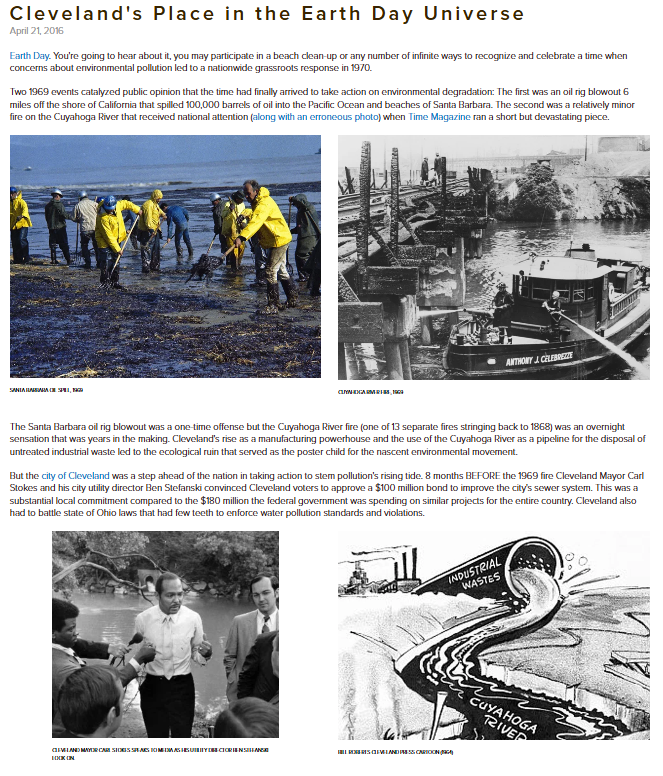
It’s that time of year when well-meaning journalists dive into their archives to find images of the bad ol’ days for their Earth Day themed think pieces. And sure, we even wrote an Earth Day piece a few years ago. ➡️
We get it. The images are a stark reminder of how poorly the environment was treated during the rise of the Industrial Revolution when polluted bodies of water were once considered perverse signs of a region’s economic vitality.
And yes, 57 years ago Cleveland’s Cuyahoga River river sadly joined many other burning bodies of water (Rouge River-Detroit, Buffalo River-Buffalo, Schuylkill River-Philadelphia) across the United States as water-fueled pipelines for industrial waste. BUT Cleveland’s river is THE river that made headlines (thanks Time magazine) and helped spark the creation of the EPA, the Clean Air Act, and the Clean Water Act. That river deserves a party for focusing a nation on the importance of common-sense environmental stewardship!
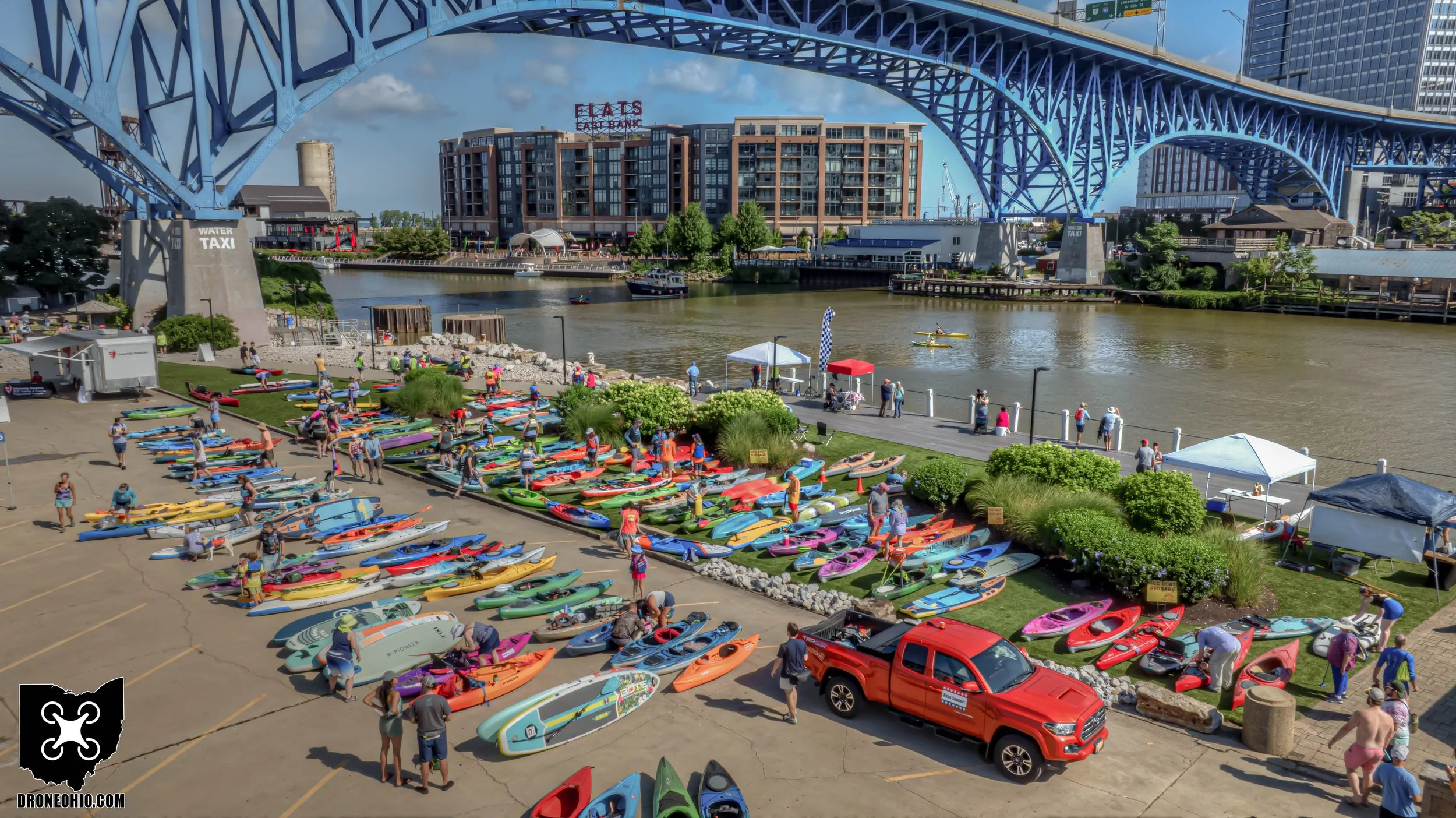
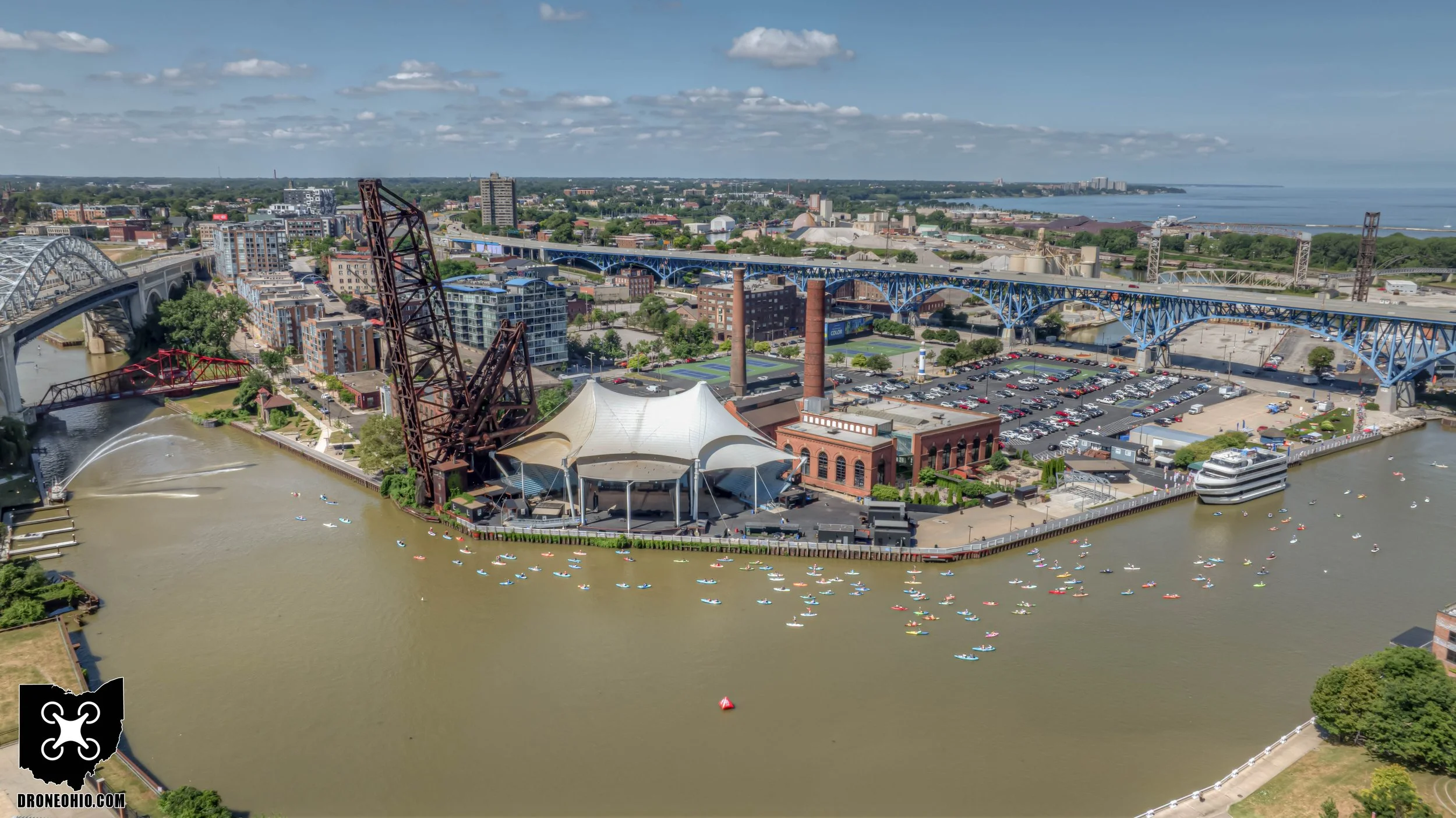
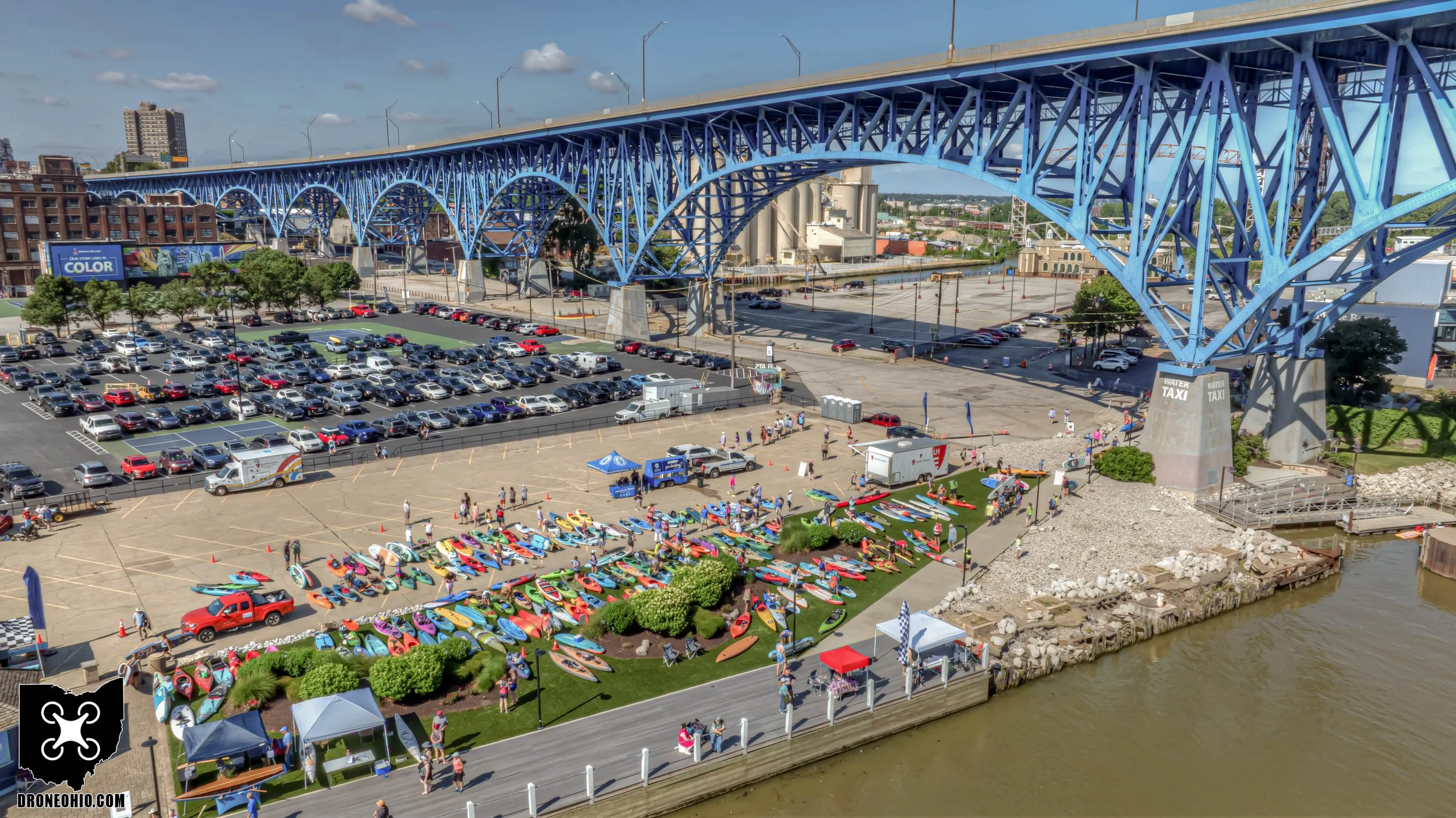
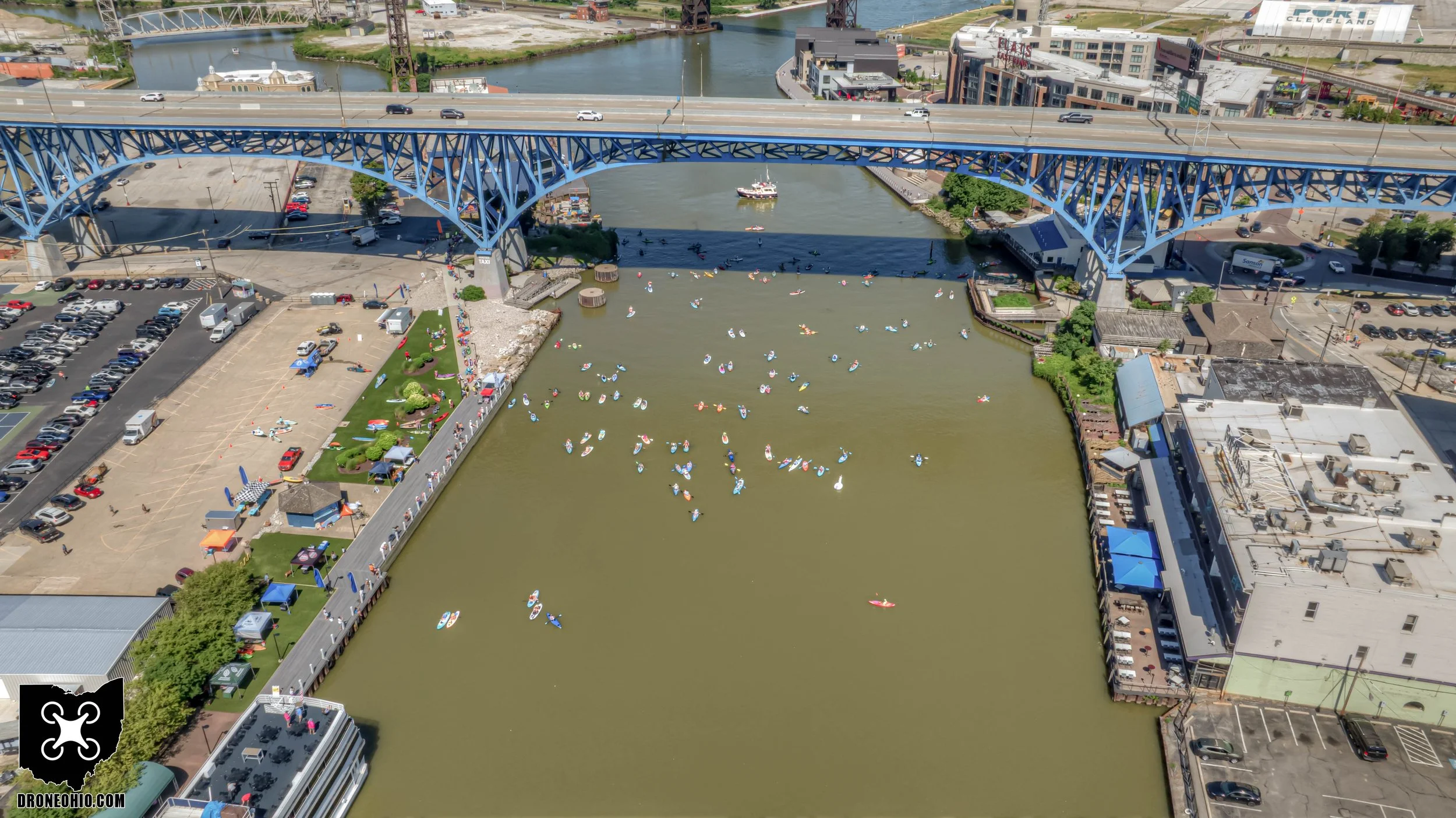
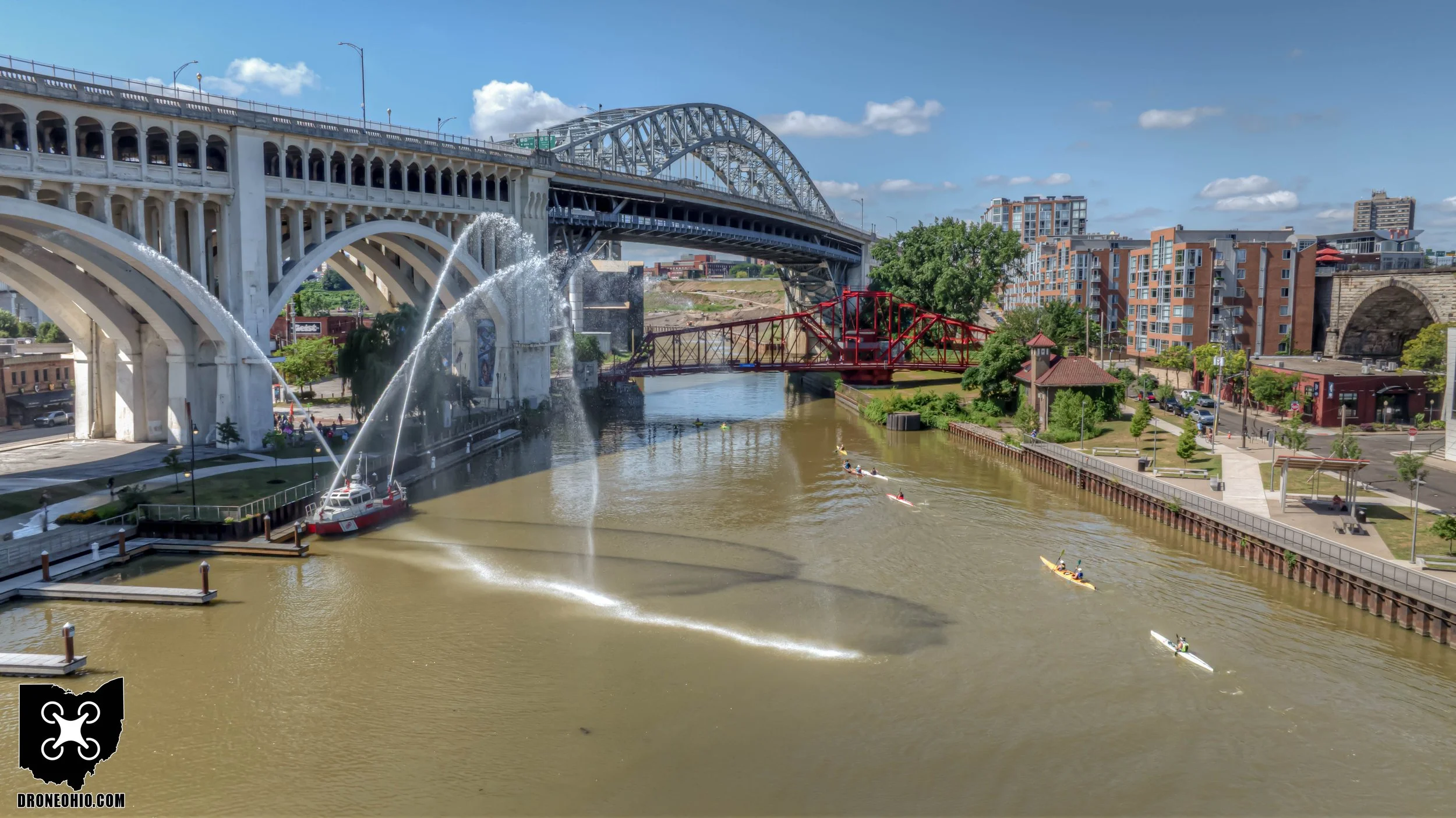
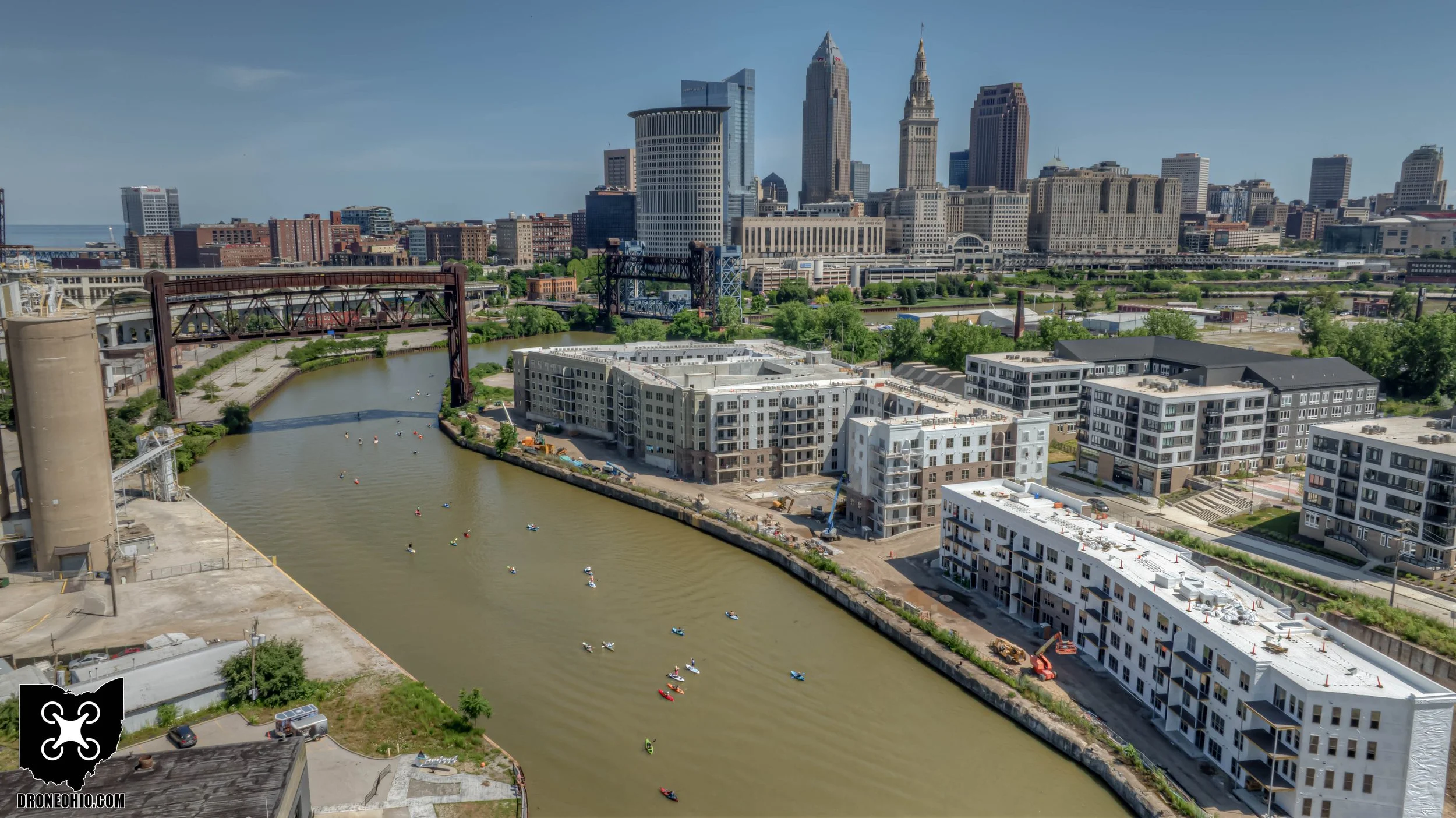
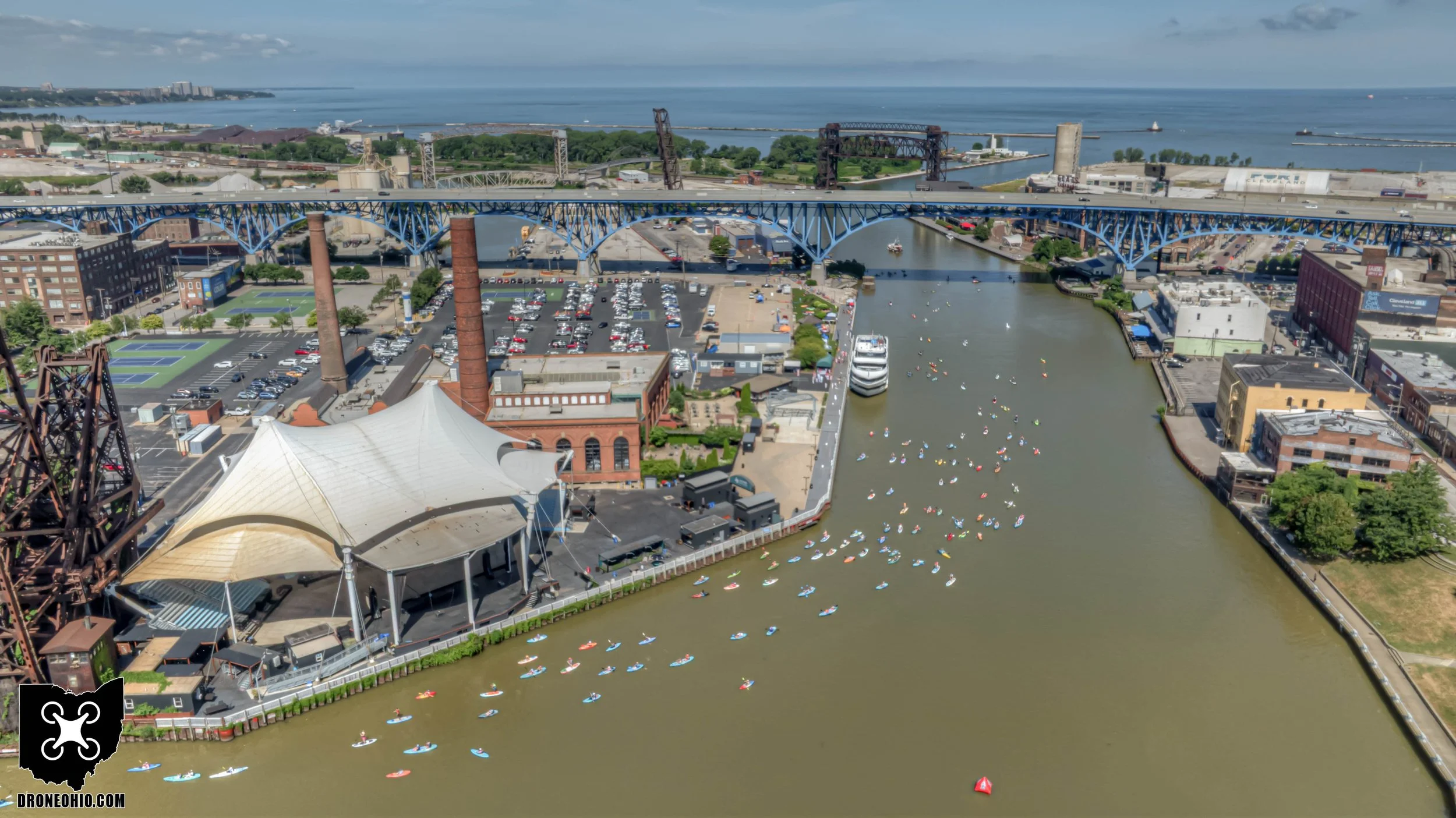
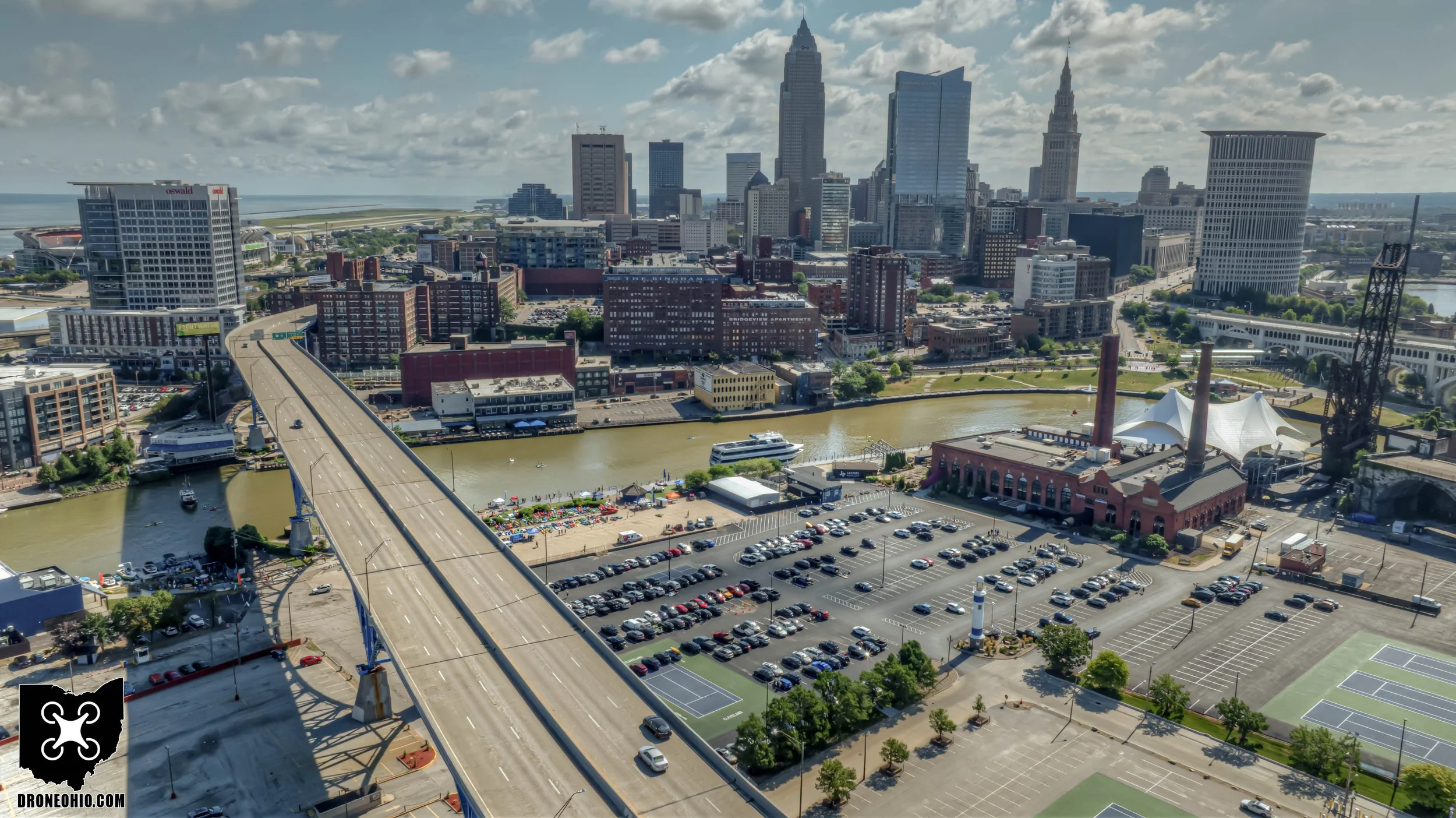
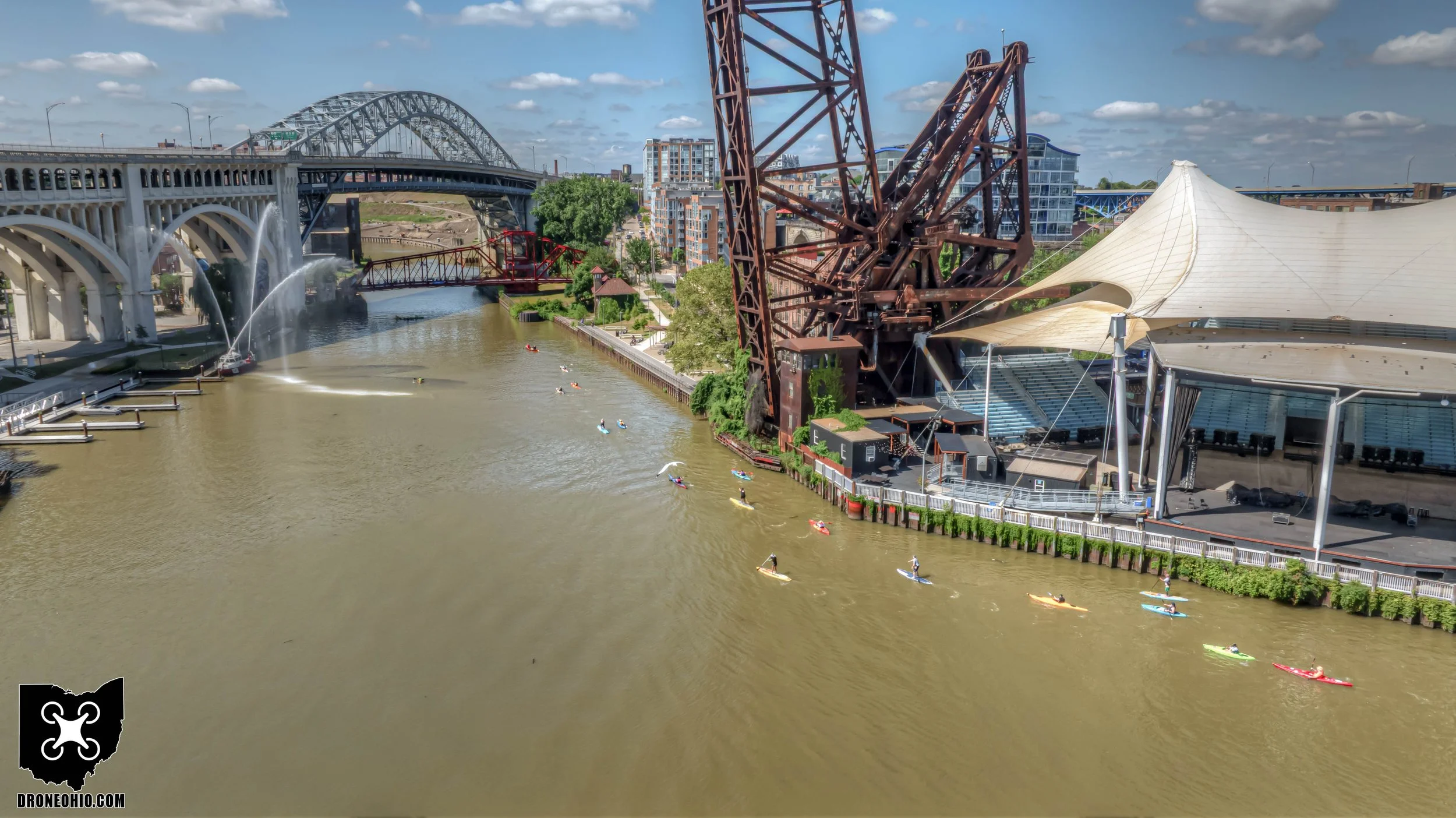
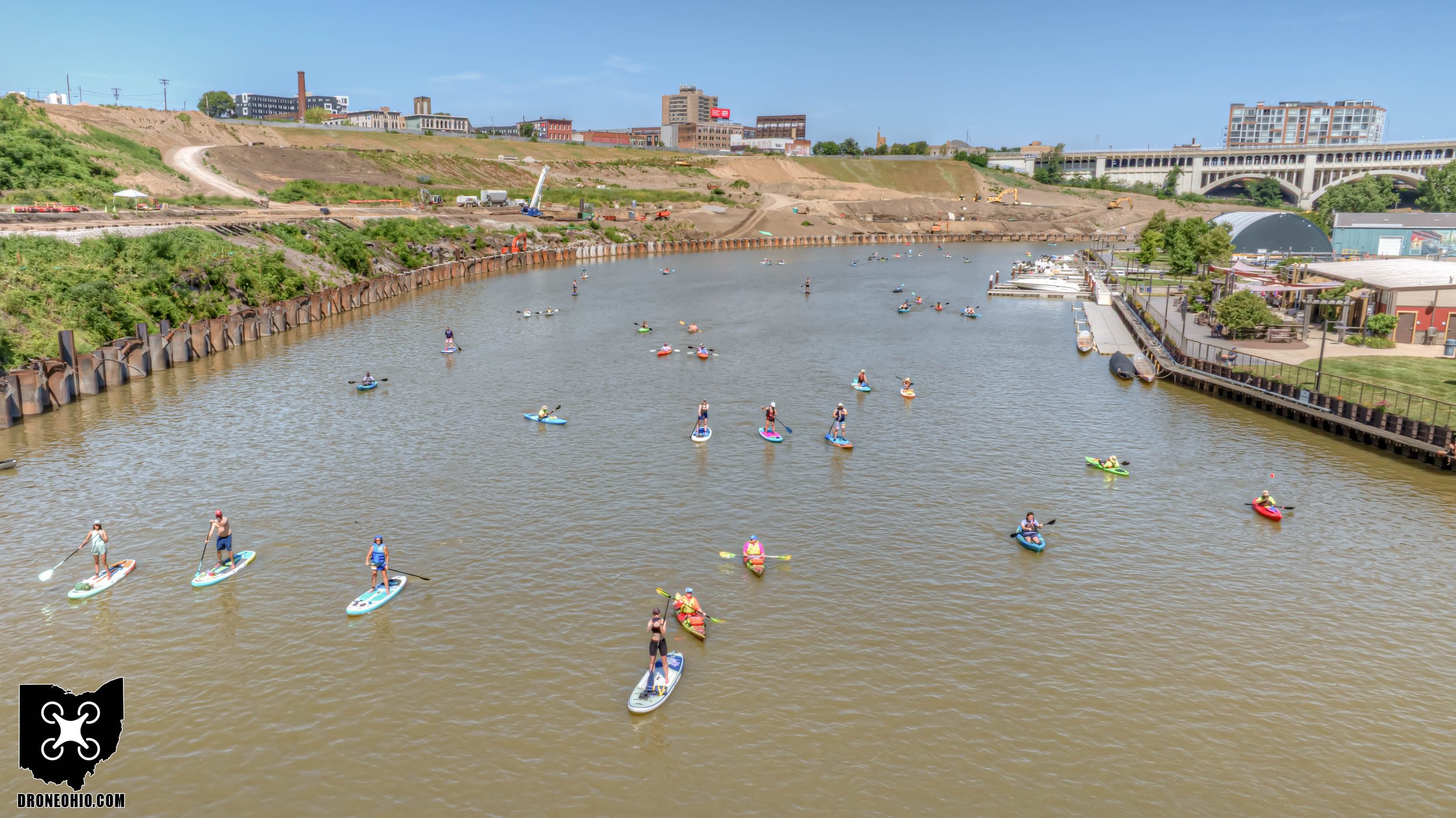
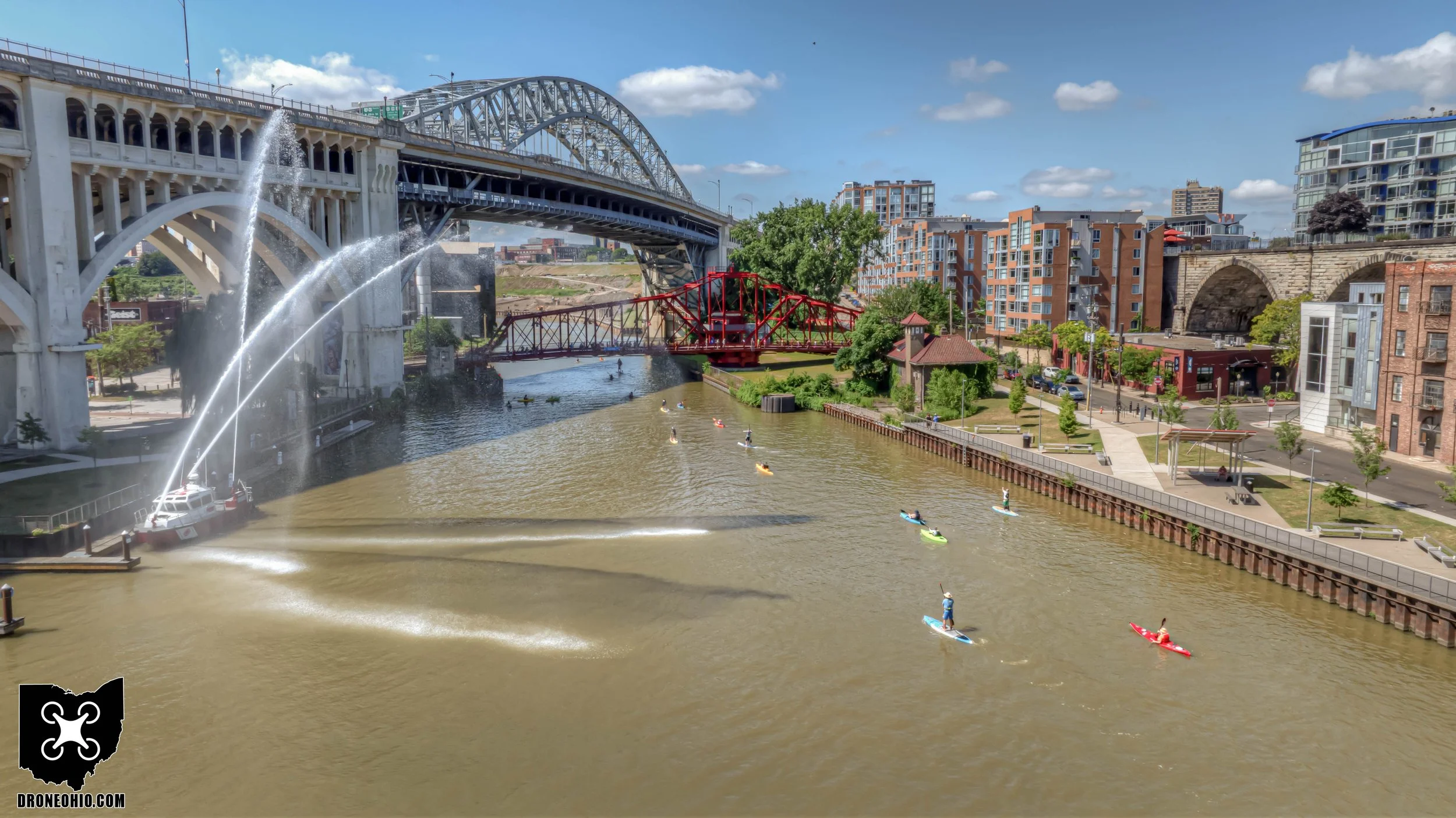
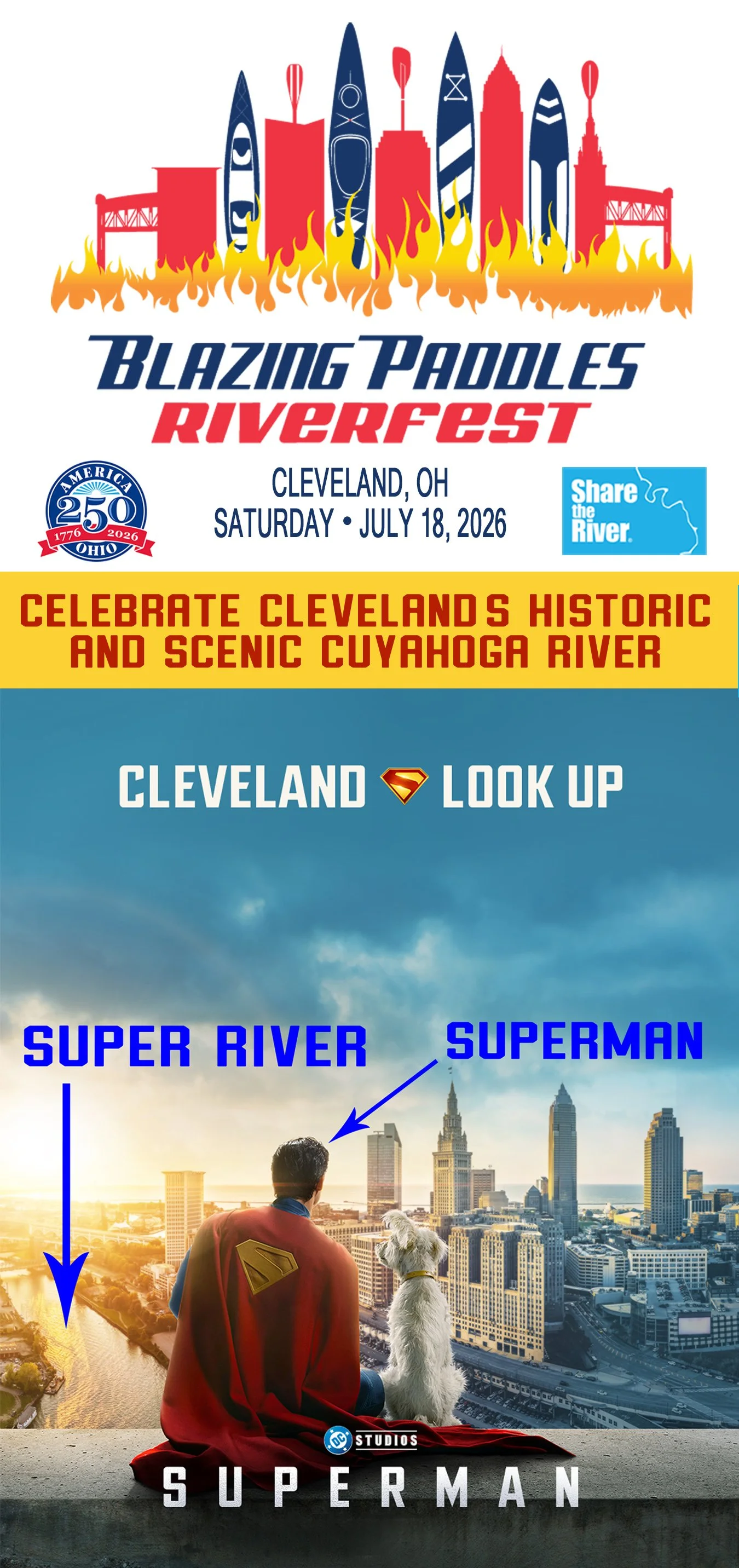
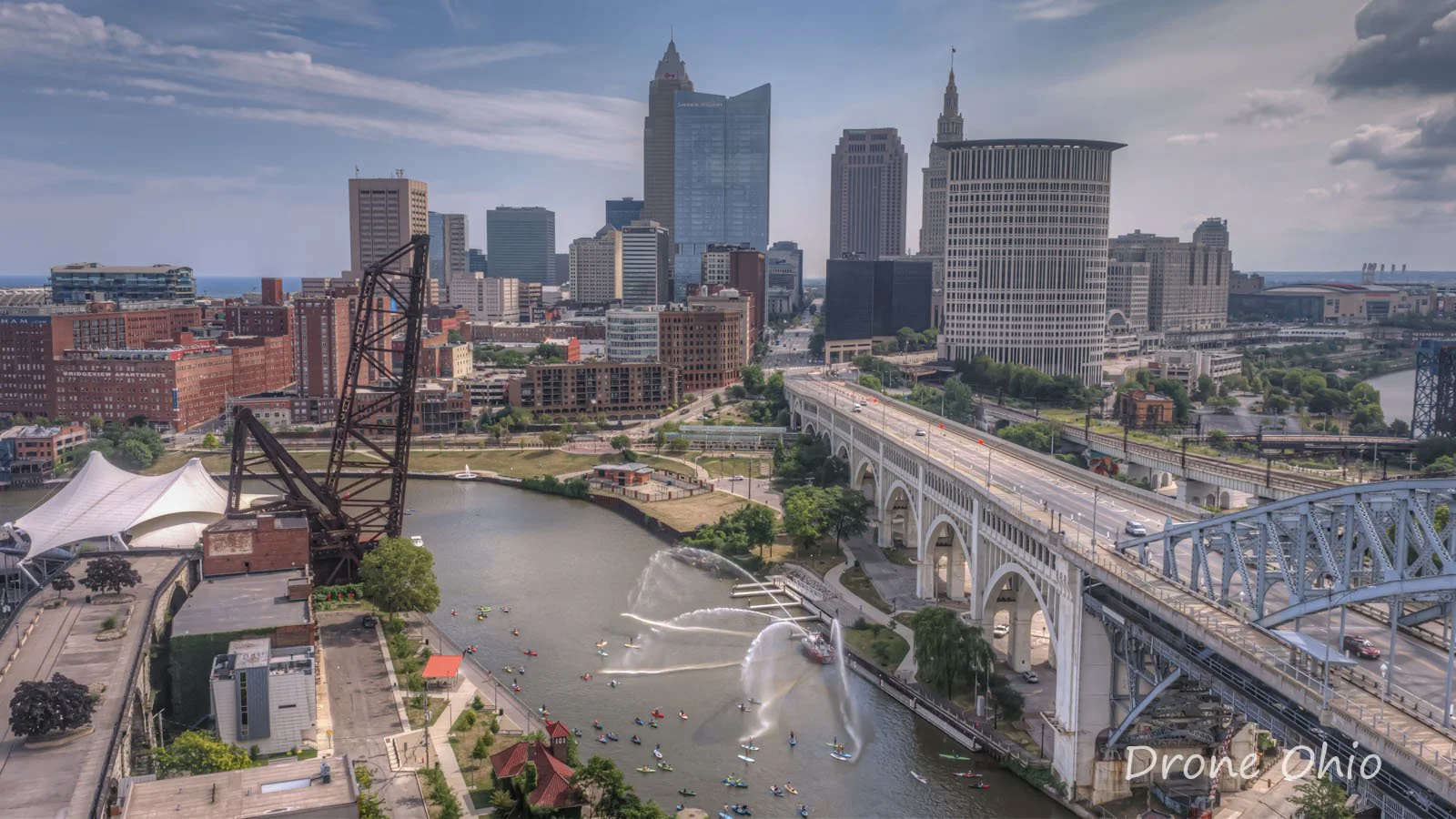
Immediately after the 1969 Cuyahoga River fire, Cleveland Mayor Carl Stokes took local media on a tour of Cleveland’s River (video to right). We’d like to take a page from Mayor Stokes’ playbook and take YOU on a tour of the Cuyahoga River during our Blazing Paddles Riverfest on July 18, 2026. We’ll suggest there is one city in the WORLD that can tell an authentic & compelling story of how the Cuyahoga River:
helped Cleveland, the state of Ohio, and a nascent nation rise to global prominence via the transport of raw materials and finished goods from the interior of the U.S. to coastal ports on the Atlantic seaboard. Cleveland became the pivot point in a trade artery between New Orleans and the east coast, making New York City the nation’s financial center. Hellooo America 250 and America 250-Ohio.
fueled Cleveland’s remarkable rise as an industrial superpower but at an immense cost to the Cuyahoga River. That recovery has been fostered by large remediation efforts by EPA and Cuyahoga AOC and substantial investments in stormwater infrastructure by Northeast Ohio Regional Sewer District (Project Clean Lake). The river that once only supported two fish species now supports over 70 fish species - and what’s good for fish is good for people, right?
While the Cuyahoga River has come a long way, there is still work to be done due to recent rollbacks of environmental protections.
San Francisco v. EPA - the Supreme Court ruled that EPA lacks the authority to use permit provisions that broadly prohibit violations of water quality standards in the rivers and lakes that we fish, swim, play in, and use for drinking water. (link)
Sackett v. EPA - the Supreme Court severely cut back the types of waterways ("Waters of the United States" (WOTUS) Redefined) protected by the Clean Water Act. (link)
U.S. Environmental Protection Agency (EPA) made regulating greenhouse gas emissions much harder. The agency finalized a rule overturning its own “endangerment finding” — established after years of scientific analysis — that concluded that greenhouse gas pollution endangers human health and requires regulation. (link)
The U.S. House of Representatives is advancing legislation that would gut the Clean Water Act and make it easier for polluters to contaminate rivers, lakes, wetlands, and drinking water sources. The “PERMIT Act” (H.R. 3898) is a package of over 15 anti-clean water bills and is one of the most extreme threats to clean water protections seen in decades. (link)
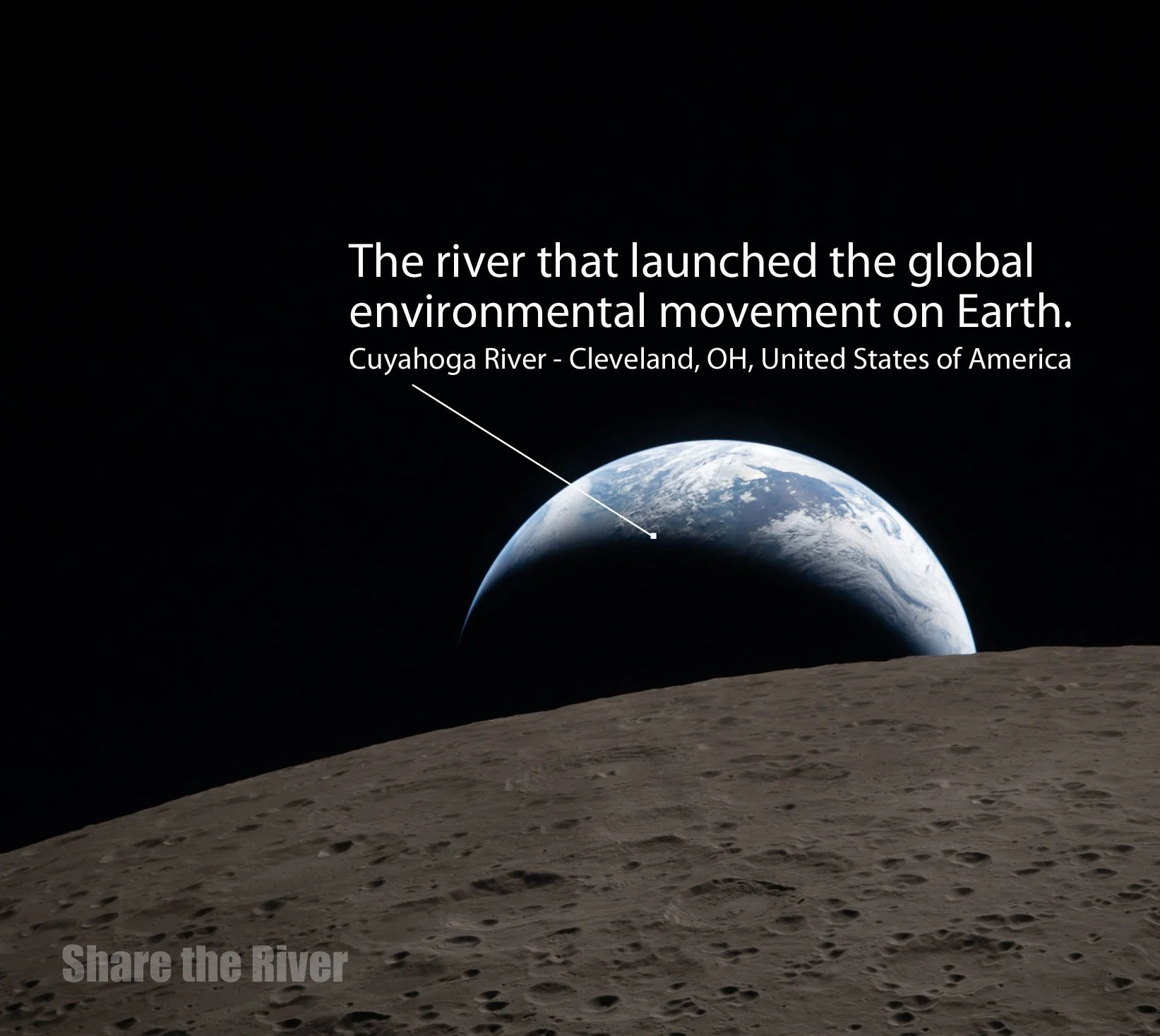
The crew of NASA’s recent Artemis II mission captured extraordinary images of our home planet during their journey around the far side of the Moon. History fans were immediately reminded of the December 24, 1968 earthrise image captured during Apollo 8's mission. By showing Earth as a small, isolated, and vibrant "blue marble" in the vastness of space, the photo highlighted its fragility, fueling the global environmental movement.
208 days after Apollo 8 captured the 1968 earthrise image, the Cuyahoga River fire became a powerful national symbol of extreme environmental degradation, industrial neglect, and water pollution. The fire sparked the modern environmental movement, directly influencing the creation of the EPA and the passage of the Clean Air Act and Clean Water Act.
When you’re out walking around today, please snag that piece of plastic you see in the street or along the sidewalk and dispose of it. Enjoy a local beer brewed from water sourced from Lake Erie. And if you enjoy paddling, register for Blazing Paddles Riverfest on Cleveland’s historic & scenic Cuyahoga River. If you believe clean water policies deliver large dividends for the public’s physical and mental well-being, there is NO better place in the WORLD than Blazing Paddles Riverfest in Cleveland to make a large public statement for continued stewardship of our nation’s natural resources. Clean water matters and is an economic catalyst.